
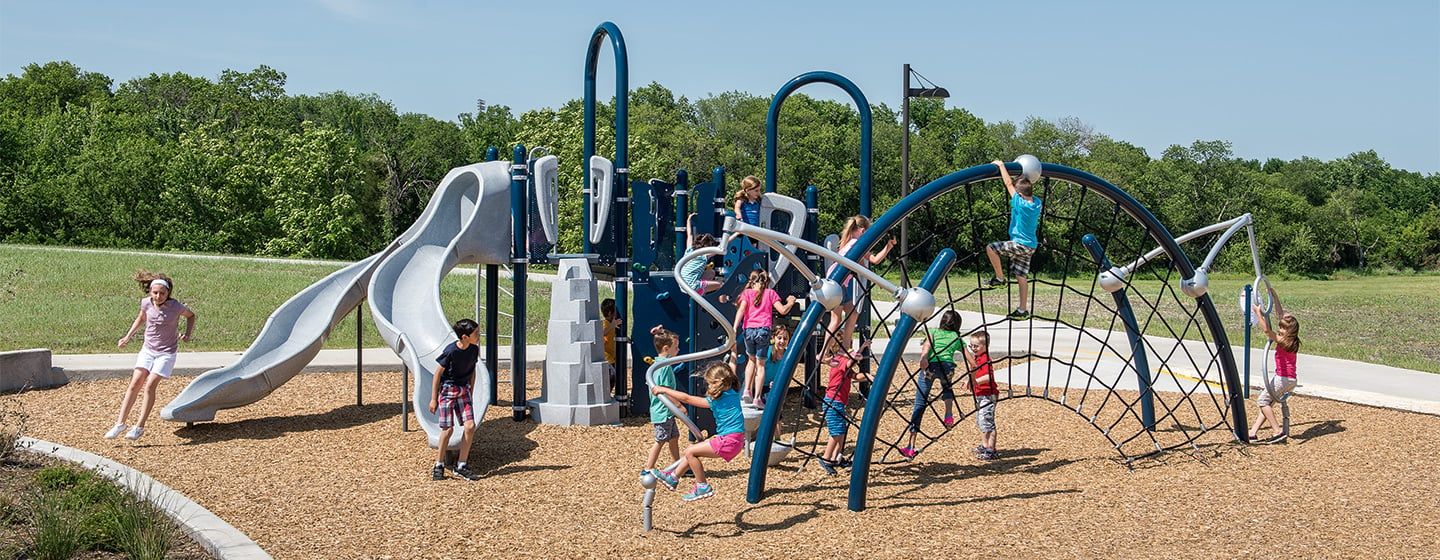
School ground play spaces are critically important in childhood development. Designated play spaces that facilitate movement, collaboration, and creativity through daily activities. Choosing suitable gear allows kids to stay active while minimizing unnecessary risks. Suitability-led schools are context-specific and enable learners to feel confident, safe, and engaged. This conversation outlines how age-focused planning fosters development and the importance of intentional imperatives for enduring value.
Important Aspects of Age-Appropriate School Playground Equipment
Development is staged and includes both physical and cognitive. What works for one cohort may challenge, or even be dangerous, for another cohort. Games and play structures need to match properly to age, so that kids can join in, without being frustrated. Balance and coordination for the younger students, strength and team playing skills for the older students. Matching heights, spacing, and movement to growing bodies increases safety. A compatible setup ensures supervision is a relaxed and easygoing process.
Kindergarten: For Children Ages 3 to 5
Little ones need simple scaffolding. They often play to explore and develop fundamental movement skills. The tools used in this version should be inviting and simple.
Key features often include:
- Platforms that are low to reduce the impact of a fall
- Short slides with gentle slopes
- Wide steps with hand support
- Touch and sound sensory panels
These elements help build confidence. And playtime transforms into learning time that fortifies power and friendship. Final decisions on what to go with should be guided by what is functional rather than what looks pretty, but colorful designs may be useful for drawing eyes.
Stage One: Six Through Eight Years Old
With improved coordination comes the desire for more challenging things to do. Entr that enables climbing, imitation of obstacles, and running plays together. This phase may establish more lively forms but remains very straightforward in its safety protocols.
Appropriate options may include:
- Moderate climbing frames
- Balance beams with textured surfaces
- Slides connected to platforms
- Swing sets with secure seating
This is when group play starts to become more frequent. Communicating & waiting for your turn in shared structures. Schools that buy and install commercial playground equipment for Schools for this age group have a tendency to find high-quality participation amounts throughout breaks.
Upper Primary: Nine to Twelve Years Old
Older primary students seek challenges in strength and problem-solving. This allows for higher and more complex elements while still complying with the safety requirements. Designs should accommodate personal challenges and group engagement.
Common features include:
- Multi-level climbing structures
- Ladders that strengthen your upper body
- Rotating elements that improve balance
- Open spaces for structured games
You also have kids who love to strive for goals and a bit of competition in a good way. Equipment featuring diverse play styles maintains high engagement across play sessions.
Safety Considerations for All Ages
Every school playground shares something in common: safety. Increased age reduces risk, but other factors enhance protection. This is where surfacing can help to prevent injuries. Impact-absorbing materials limit injury in the event of a fall.
Other safety factors include:
- Clear visibility for supervision
- Rounded edges on structures
- Proper spacing between equipment
- Regular inspections and maintenance
Conformity to recognized safety standards enhances reliability. Inclusion and regular checks, as well as updates in a longer-term planning, help schools.
Inclusive Design for Mixed-Age Use
Numerous schools have numerous ages and have them in the same rooms. Zoning helps manage this challenge. By allocating areas according to age, children are left to play without being interfered with. Guiding movement visually using markers or colors, or applying physical barriers to movement
Children with disabilities can be served with inclusive features. Equal access is encouraged through ramps, transfer stations, and sensory aspects. Thoughtful design also ensures that every child is welcomed. This needs balanced planning as the school has multiple needs to meet but within the play area, harmony must exist.
Educational Value of School Playgrounds
Playgrounds are also informal learning spaces. Movement helps maintain concentration and emotional stability while in class. Playing as a group teaches them the art of cooperation, leadership, and respect for sportsmanship. These lessons are more than just about physical health.
Indirectly, school-age-appropriate commercial playground equipment aids curriculum goals. Increasing their movement helps them remember, while playing socially helps with communication. And schools that notice this connect often begin to see boosts in student participation across the board.
Long-Term Planning and Investment
Selection of equipment calls for a forward-thinking attitude. Choosing these materials helps minimize repairs and replacements. A modular design permits expansion in the future when enrollment fluctuates. Aging-centric planning allows you to keep its usefulness for years to come.
Schools should account for growth and space. Play features are aligned to student needs through educator consultation. Sustainability translates as long-term value that comes from a choice of the balance between well-being, involvement, and upkeep.
Conclusion
Providing an age-appropriate playground allows for healthy growth, safety, and fun. There are various needs at each stage of development that need looking after. Schools that spend time on determined choice design place where children excel physically and socially. Thoughtful playground spaces are assets you get to keep and reap the rewards of learning and well-being across the school life-cycle.